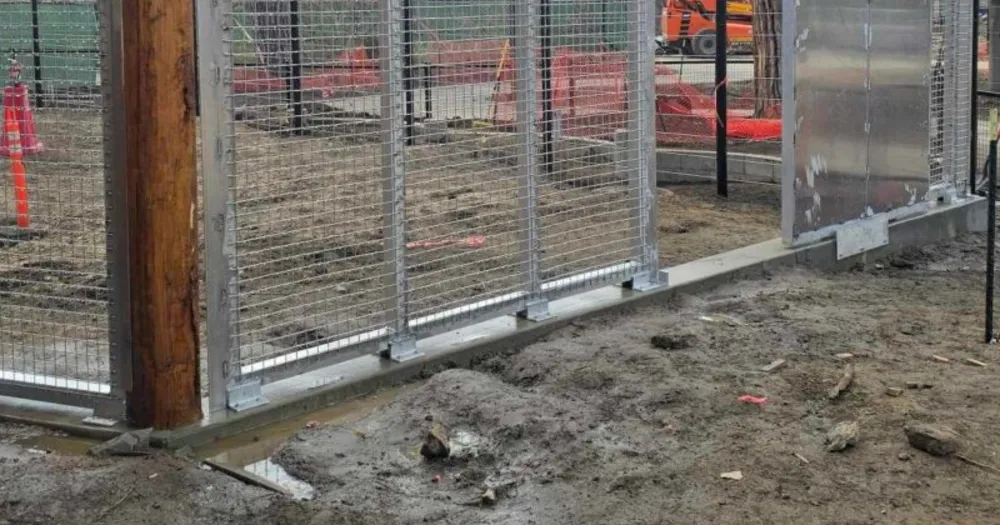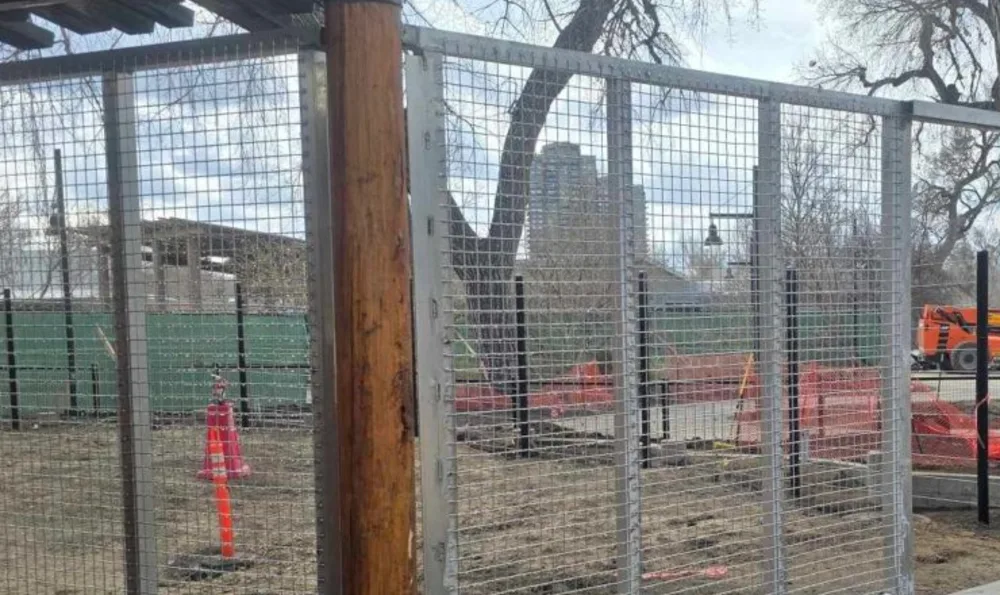
When people think about zoo enclosures, they often picture the finished habitat — secure mesh systems, spacious animal exhibits, and natural-looking environments. What they don't see is the engineering and manufacturing process that makes these structures possible.
A modern zoo enclosure is not simply fabricated from steel and assembled on-site. It is the result of careful planning, precision engineering, quality-controlled manufacturing, and skilled craftsmanship. Every component must work together to provide a safe environment for animals, keepers, and visitors while withstanding years of continuous use.
Whether the project involves a lion habitat, primate enclosure, aviary, or wildlife sanctuary, understanding how zoo enclosures are built helps project owners appreciate the importance of selecting an experienced fabrication partner. Here's how a custom zoo enclosure goes from concept and design through construction to installation.
1. Project Consultation and Requirements Gathering
Every successful enclosure begins with a conversation. During the initial consultation, the project team works closely with the client to understand the goals, operational requirements, and unique challenges of the enclosure. Topics typically discussed include:
- Animal species
- Enclosure dimensions
- Site conditions
- Keeper access requirements
- Visitor viewing areas
- Animal management systems
- Budget expectations
- Construction schedule
Gathering accurate information at the beginning helps reduce revisions later and ensures the final design aligns with the facility's operational needs.
2. Engineering and Design Development
Once the project requirements are established, engineers begin transforming concepts into practical designs. This stage focuses on developing structural solutions that safely support the enclosure while accommodating operational workflows and animal welfare considerations. Engineers evaluate factors such as:
- Structural loads
- Wind and seismic requirements
- Animal-generated forces
- Material selection
- Connection details
- Maintenance access
- Future expansion possibilities
A well-engineered design improves safety, reduces material waste, and simplifies construction. Much of this work centres on the structural steel framing that carries the entire enclosure.
3. CAD Modeling and Shop Drawings
Before fabrication begins, every component is translated into detailed digital drawings. Using modern CAD software, designers create accurate models of structural steel members, mesh frames, gates, keeper doors, and other enclosure components. Shop drawings specify:
- Dimensions
- Material grades
- Weld locations
- Hole positions
- Connection details
- Surface finishes
- Assembly information
These drawings serve as the blueprint for manufacturing and help ensure every part fits correctly during installation.
4. Material Selection and Procurement
Selecting the right material is one of the most important decisions in the manufacturing process. Depending on the project, fabrication may involve:
- Structural carbon steel
- Stainless steel
- Aluminium
- Expanded metal
- Welded wire mesh
- Structural tubing
- Steel plate
Material selection depends on structural requirements, environmental conditions, corrosion exposure, maintenance expectations, and project budget. Using certified, high-quality materials provides a solid foundation for long-term performance.
5. Precision Cutting and Fabrication
With materials prepared, fabrication begins. Steel components are cut, drilled, formed, and machined according to the approved shop drawings using precision equipment. Accurate fabrication minimizes installation issues while ensuring structural members align correctly during assembly. Typical fabrication processes include:
- CNC cutting
- Saw cutting
- Plate processing
- Tube cutting
- Hole drilling
- Edge preparation
- Forming and bending
Maintaining tight dimensional tolerances at this stage helps improve both structural quality and construction efficiency.
6. Welding and Assembly
Welding is one of the most critical stages of enclosure manufacturing. Structural frames, mesh panels, gates, platforms, and custom assemblies are carefully welded according to approved fabrication procedures. High-quality welding provides:
- Strong structural connections
- Consistent dimensional accuracy
- Reliable long-term performance
- Improved resistance to operational loads
Experienced fabricators also monitor heat input and welding sequences to reduce distortion and maintain proper alignment throughout the manufacturing process.
7. Surface Preparation and Corrosion Protection
Zoo enclosures operate in challenging outdoor environments where moisture, humidity, cleaning chemicals, and animal waste can accelerate corrosion. Before protective coatings are applied, fabricated components undergo thorough surface preparation to ensure proper coating adhesion. Depending on project requirements, protection systems may include:
- Hot-dip galvanizing
- Powder coating
- Zinc-rich primers
- Industrial paint systems
Selecting the appropriate corrosion protection system significantly extends the service life of the enclosure while reducing future maintenance requirements.
8. Quality Control and Inspection
Before leaving the fabrication facility, every component should undergo rigorous quality inspections. Quality control typically includes:
- Material verification
- Dimensional checks
- Weld inspections
- Surface finish inspections
- Coating verification
- Hardware inspection
- Assembly fit-up checks
These inspections help identify potential issues before installation, reducing costly delays and ensuring the finished enclosure meets project specifications.
9. Packaging, Delivery, and Installation Support
Once manufacturing is complete, components are carefully packaged to protect finished surfaces during transportation. Proper labeling and organized packing also simplify installation on site.
Many fabrication partners provide installation support by supplying assembly drawings, technical documentation, and coordination with contractors to ensure the enclosure is erected efficiently and according to the design.
Manufacturing Quality Directly Impacts Zoo Safety
Every step in the manufacturing process influences the safety and performance of the finished enclosure. Accurate engineering, precision fabrication, high-quality welding, and thorough quality control all contribute to structures that safely contain animals while supporting efficient daily operations.
Choosing an experienced fabrication partner helps ensure these critical processes are carried out to the highest standard. To see how the finished pieces work together, explore our guide to modern zoo caging systems.
Frequently Asked Questions
How long does it take to manufacture a zoo enclosure?
It depends on the size and complexity, but a custom enclosure typically moves through consultation, engineering, fabrication, coating, and installation over several weeks to a few months. Detailed engineering and shop drawings up front are what keep the later stages on schedule.
Can zoo enclosures be prefabricated off-site?
Yes. Most structural steel frames, mesh panels, gates, and doors are fabricated and pre-assembled in the shop, then delivered for installation. Shop fabrication improves quality control and reduces time and disruption on the zoo site.
What quality standards apply to zoo enclosure fabrication?
Reputable fabricators follow recognized structural steel and welding practices, with material verification, dimensional checks, and weld inspection before anything ships. These controls matter because the finished structure has to contain animals safely for decades.
Who installs the enclosure after it is fabricated?
Installation is usually handled by the general contractor or a specialist crew, with the fabricator supplying assembly drawings, technical documentation, and coordination. Clear labeling and organized packing make on-site assembly faster and more accurate.
What is the most important stage in zoo enclosure manufacturing?
No single stage stands alone, but engineering and welding carry the most weight: accurate engineering prevents downstream problems, and sound welds determine long-term strength. Quality control ties them together by catching issues before installation.