Walk into any modern zoo today, and you'll notice something remarkable. Gone are the days when animals were kept behind simple bars in small concrete cages. Today's zoological facilities are designed to resemble natural habitats, encourage healthy animal behaviors, and create safe environments for both wildlife and the people who care for them.
Behind every successful exhibit is careful planning. A well-designed zoo enclosure isn't just about keeping animals contained — it must also support daily husbandry, veterinary care, maintenance, visitor safety, and long-term structural performance. Every element, from the steel framework to the smallest access door, plays a role in how efficiently and safely the enclosure operates.
From a new exhibit to an upgrade of an existing habitat, the fundamentals of safe design stay the same. Here are ten essential features every safe zoo enclosure should include.
1. Start with the Animal, Not the Structure
The first step in any enclosure has nothing to do with steel — it's understanding the animal that will live inside it. Every species arrives with its own abilities and instincts: tigers can leap several metres, primates spend half their day climbing, elephants push tremendous force against a barrier, and birds need flight space rather than something to climb.
Instead of designing a standard enclosure and placing animals inside it, modern zoos begin by asking questions such as:
- How does the animal naturally move?
- Does it climb, jump, dig, swim, or fly?
- How will keepers safely access the habitat?
- What environmental enrichment will be needed?
Answering these questions first results in an enclosure that supports both animal welfare and daily zoo operations.
2. Build on a Strong Structural Steel Framework
Every enclosure needs a reliable foundation to build on. Structural steel framing supplies the strength to carry mesh panels, keeper doors, shift gates, roofs, elevated platforms, and enrichment equipment, and it gives engineers room to lay out each exhibit around its own needs instead of forcing a stock design onto the site.
Compared with many alternative construction materials, structural steel offers excellent durability, design flexibility, and long-term performance. When properly fabricated and protected against corrosion, it can provide decades of reliable service in demanding outdoor environments.
For facilities investing in permanent zoo infrastructure, structural steel remains one of the most trusted construction materials available.
3. Choose the Right Zoo Mesh System
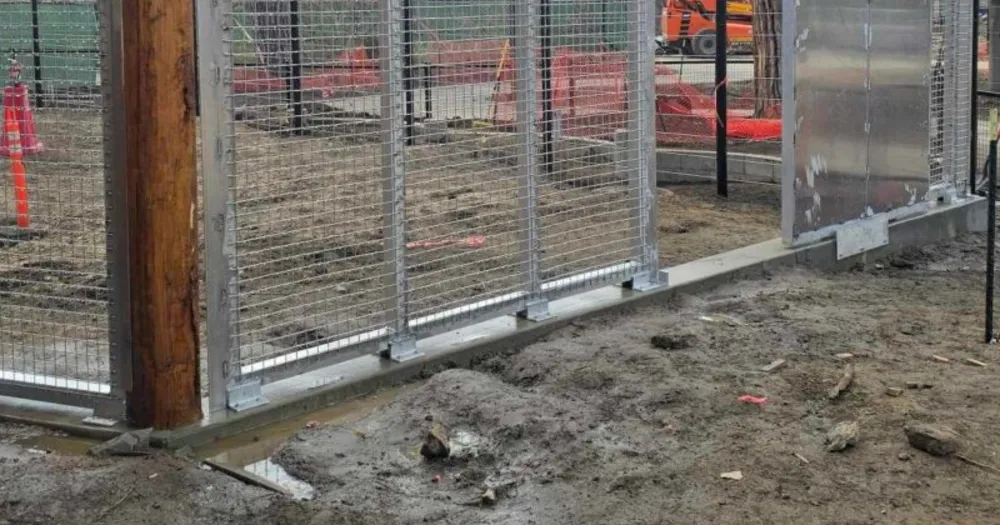
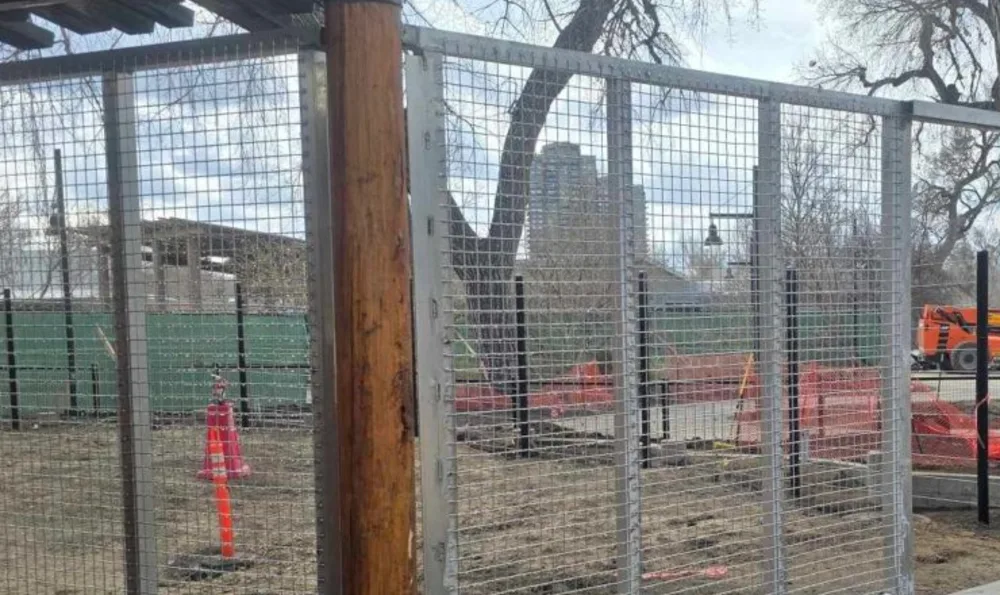
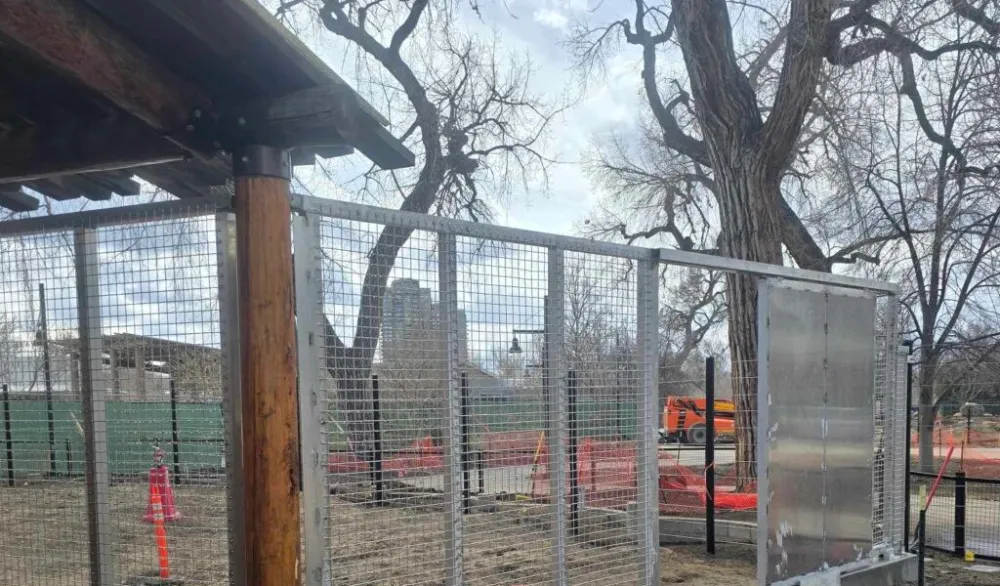
The mesh around an enclosure does far more than keep animals in. Modern welded mesh systems give visitors a clear view and let air move freely through the habitat, all while holding secure containment.
Different species require different mesh specifications. Large carnivores demand heavy-duty mesh capable of resisting significant forces, while aviaries and small mammal exhibits often require smaller openings to prevent escape without restricting visibility.
Choosing the correct mesh size, wire diameter, and support structure is essential for creating a safe enclosure that performs well over time.
4. Design Safe Keeper Access
Animal care cannot stop simply because an enclosure is secure. Zoo staff need safe ways to enter exhibits for cleaning, feeding, maintenance, and veterinary procedures.
Well-designed keeper doors reduce risk by allowing staff to move between protected areas without direct contact with dangerous animals. Door placement, locking systems, and structural reinforcement all contribute to safer daily operations.
Proper access planning protects both the animals and the people responsible for their care.
5. Include Reliable Shift Gates
Most animals move between different parts of an exhibit throughout the day. Shift gates let keepers guide them into holding areas, veterinary spaces, or a second habitat while cleaning or maintenance happens elsewhere — and without well-designed gates, even routine husbandry turns slow and, at times, dangerous.
Modern gate systems are engineered for smooth operation, dependable locking mechanisms, and long-term durability under frequent daily use.
6. Plan Dedicated Holding Areas
Behind every public exhibit sits a network of spaces visitors rarely see. Holding areas give animals somewhere to go during medical exams, habitat maintenance, breeding management, or transfers — which keeps stress down during routine work and lets staff manage animals safely without ever disturbing the main exhibit.
Effective holding areas improve operational efficiency while supporting better animal care throughout the year.
7. Incorporate Safe Animal Restraint Systems
With some species, routine veterinary care needs an extra layer of safety. Squeeze cages and restraint systems let vets run health checks, give treatments, or take samples while keeping stress on the animal — and risk to the team — as low as possible.
When designed correctly, these systems support safer medical procedures and improve overall animal management without relying on unnecessary force or sedation whenever avoidable.
8. Never Underestimate Environmental Enrichment
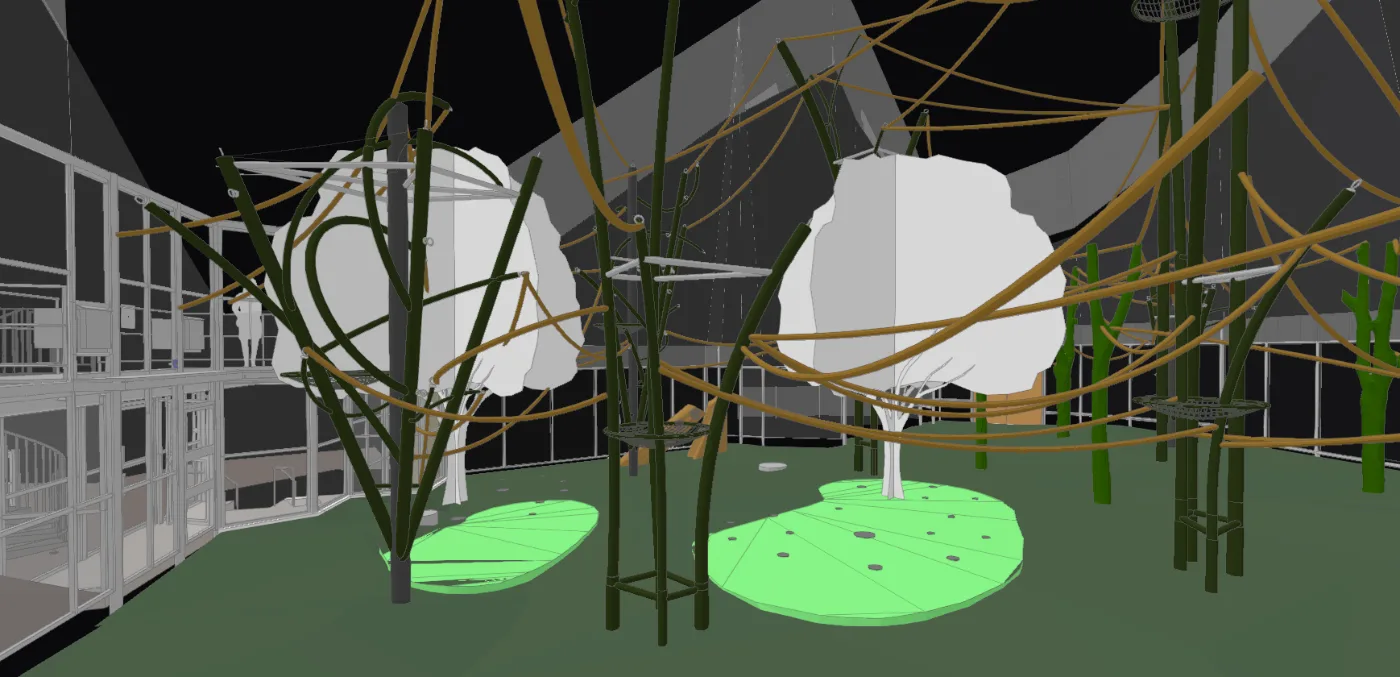
An enclosure should do more than hold an animal safely — it should get the animal behaving the way it would in the wild. Environmental enrichment supplies that physical and mental challenge through climbing structures, feeding puzzles, scent trails, and interactive objects that reward exploration and problem-solving.
Research consistently shows that enrichment can reduce stereotypic behaviors while promoting healthier activity patterns and improving overall welfare. Thoughtfully designed enrichment also creates more engaging exhibits for zoo visitors by encouraging animals to remain active throughout the day.
9. Design for Easy Maintenance
A beautiful enclosure is only successful if it can be maintained efficiently. Routine cleaning, inspections, repairs, and landscaping all require safe access and thoughtful planning.
Features such as accessible service corridors, proper drainage, removable mesh panels, corrosion-resistant materials, and durable protective coatings reduce maintenance time while extending the lifespan of the enclosure. Considering maintenance during the design phase often saves significant time and cost over the life of the facility.
10. Think Beyond Today's Needs
Zoo exhibits often evolve over time. Animal management practices improve, habitats expand, and facilities introduce new enrichment systems or visitor experiences.
Designing an enclosure with future flexibility in mind allows new features to be added without requiring major structural reconstruction. Modular steel framing, adaptable mesh systems, and custom fabrication solutions make future upgrades significantly easier while protecting the zoo's long-term investment.
Great Zoo Enclosures Are Built as Complete Systems
The safest and most successful zoo habitats are never the result of a single product. Instead, they combine structural engineering, secure containment systems, efficient keeper access, enrichment features, and species-specific planning into one integrated solution.
When every component is designed to work together, zoos can provide safer environments for animals, improve daily operations for keepers, and create better experiences for visitors.
Whether it's structural steel framing, welded mesh systems, keeper doors, shift gates, holding areas, squeeze cages, or enrichment equipment, every element contributes to the overall success of the enclosure. To see how these pieces fit together, start with our guide to modern zoo caging systems.
Frequently Asked Questions
What makes a zoo enclosure safe?
Safety comes from containment strength, secure keeper access, protected-contact systems, and species-appropriate design working together. A safe enclosure protects the animals, the keepers, and the public at the same time.
How do you prevent animals from escaping?
Escape prevention relies on correctly specified mesh and barriers, secure gates and locks, standoff distances, and detailing matched to the species. Climbing, digging, and chewing abilities all influence the design.
What safety features protect keepers?
Keeper doors, shift gates, holding areas, and squeeze cages let staff move and manage animals without direct contact. This protected-contact approach is central to safe daily operations in modern zoos.
How is visitor safety maintained?
Visitor safety uses secure barriers, standoff zones, and viewing panels that keep people at a safe distance while still allowing observation. The public-facing barrier is engineered to the same standard as the containment behind it.
Does enclosure design affect emergency response?
Yes. Well-planned enclosures include controlled access, clear separation points, and the ability to isolate animals quickly, which makes emergencies safer to manage. Designing for these situations upfront is part of a safe habitat.